Kinredgarten Saulės Gojus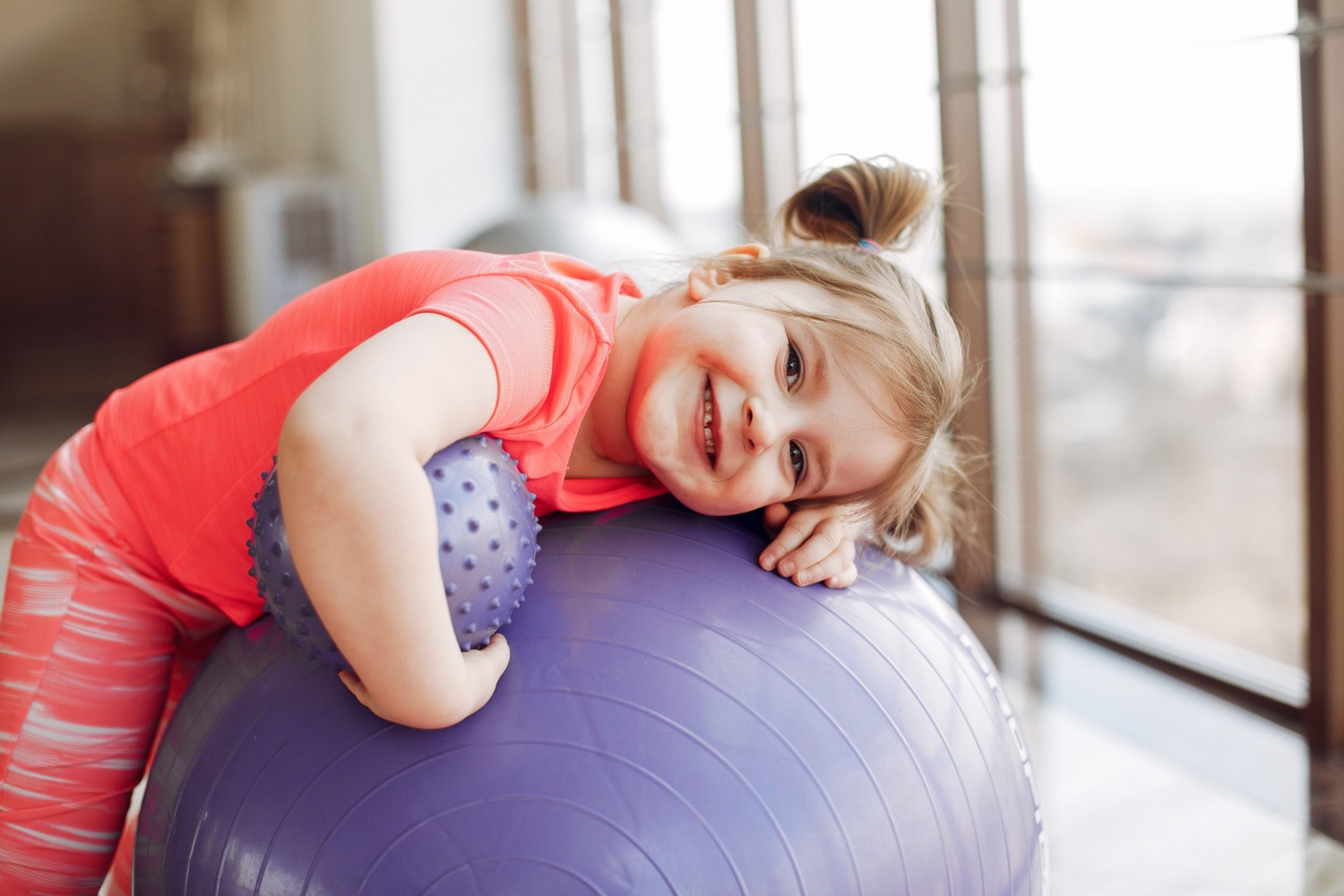
When we think about children’s education, we often imagine drawings, fairy tales, letters, or numbers. However, in kindergarten, much of the learning happens not while sitting at a table, but while moving. Movement is a natural need for every child and one of the most important ways they explore the world around them.
That is why, at Saulės Gojus kindergarten, daily movement is not just a pleasant addition to the programme. It is an essential part of education, helping children grow healthy, stay curious, and get to know themselves better each day.
What does physical activity mean for children?
Parents often ask what physical activity really means and how much of it children need. Does it involve structured sports training, or is active play enough? In the preschool years, physical activity includes anything that allows a child to move, explore, test their body, and discover what it can do.
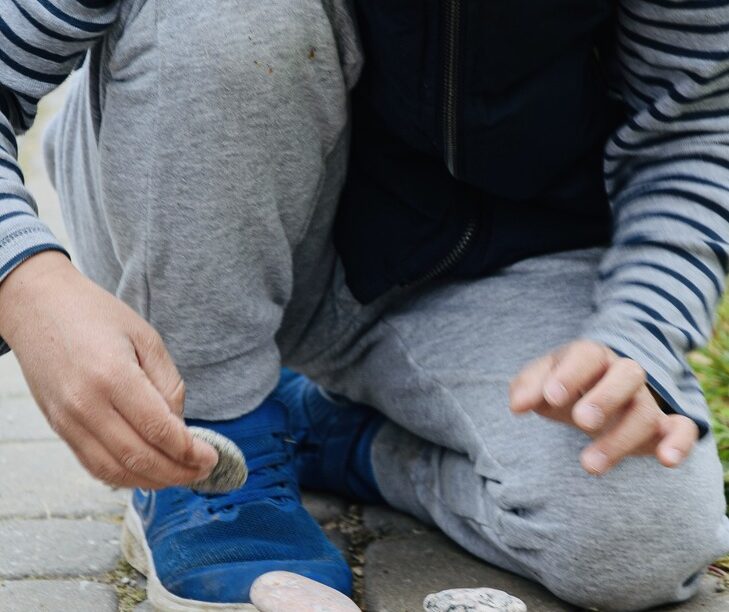
This may involve climbing, running, stretching, playing active games, jumping over puddles, or even carrying a bucket of sand from one side of the playground to the other. Each of these experiences strengthens the body, develops coordination, improves posture, and helps children understand how they interact with the world around them.
At Saulės Gojus kindergarten, movement is an integral part of everyday life. Children spend a great deal of time outdoors, combining active play with experiential learning and the practical application of Howard Gardner’s theory of multiple intelligences. Some children explore the world most effectively through physical movement, others through rhythm and music, and others through interaction with nature. For this reason, movement here is not simply physical exercise, but a rich and varied learning experience.

Physical activity and health: why movement matters now and in the future
Scientific research continues to confirm what we already know: regular physical activity strengthens children’s immune systems. Children who are consistently active tend to fall ill less often, recover more quickly, and generally have higher energy levels. Movement supports not only physical wellbeing, but emotional wellbeing too – it helps children release tension, reduce anxiety, and regulate their emotions. For this reason, physical activity and a healthy lifestyle go hand in hand and are developed together through daily habits.
At Saulės Gojus, children move every day, regardless of the weather. In autumn, they feel the crunch of leaves beneath their feet; in winter, they roll and play in the snow; in spring, they explore the awakening natural world; and in summer, they build sandcastles. In this way, each season becomes a natural lesson in movement and resilience – one that will serve them well in the future.
Movement as a way of learning
Preschool-aged children explore the world through movement. For this reason, physical activity in the early years is more than just a healthy habit – it forms the foundation for cognitive development and creativity. Through movement, children create, solve problems, experiment, and learn to cooperate with others.
For example, when building a road from blocks, they develop logical thinking; through role play, they strengthen social skills; and by climbing a hill during an outing, they build determination and patience.
Movement is also closely linked to the ability to concentrate. After active play, children find it easier to maintain their focus and engage in quieter activities. This is why, at Saulės Gojus, the rhythm of the day naturally alternates between active and calm periods.
Healthy eating and physical activity – two complementary elements
Healthy eating and physical activity go hand in hand in the daily life of the kindergarten. Active children need balanced, nutritious meals to support their growth and energy levels. At Saulės Gojus, children receive freshly prepared, wholesome meals each day, giving them the energy they need to play, explore, move, and learn.
Emotional security and freedom of movement
Young children are still learning to understand and name their feelings. For this reason, physical activity in kindergarten plays an important role in the development of emotional intelligence. Movement helps children express a wide range of emotions – anger, disappointment, joy, or fear. Even when emotional storms seem overwhelming, movement can help children calm down and regain their inner balance.
At Saulės Gojus, teachers are attentive to children’s emotional needs and provide them with space and freedom to move. If a child is finding it difficult to concentrate, active play can help them regain focus. If a child feels irritable or frustrated, physical activity offers a healthy way to release tension. In this way, movement supports both emotional and social development.
Movement in kindergarten today – healthy habits for tomorrow
Children who experience movement as a natural and enjoyable part of everyday life from an early age are more likely to remain active as they grow older. The habit of being active develops through simple daily experiences: running in the yard, balancing on logs, climbing, dancing, and playing energetic games. Such movement is a long-term investment in children’s health and wellbeing.
We believe that children are naturally inclined to move when they are given the space and freedom to do so. When movement becomes an integral part of education, children not only strengthen their bodies, but also explore their limits, gain confidence in their abilities, and build lasting self-belief.