Kinredgarten Saulės Gojus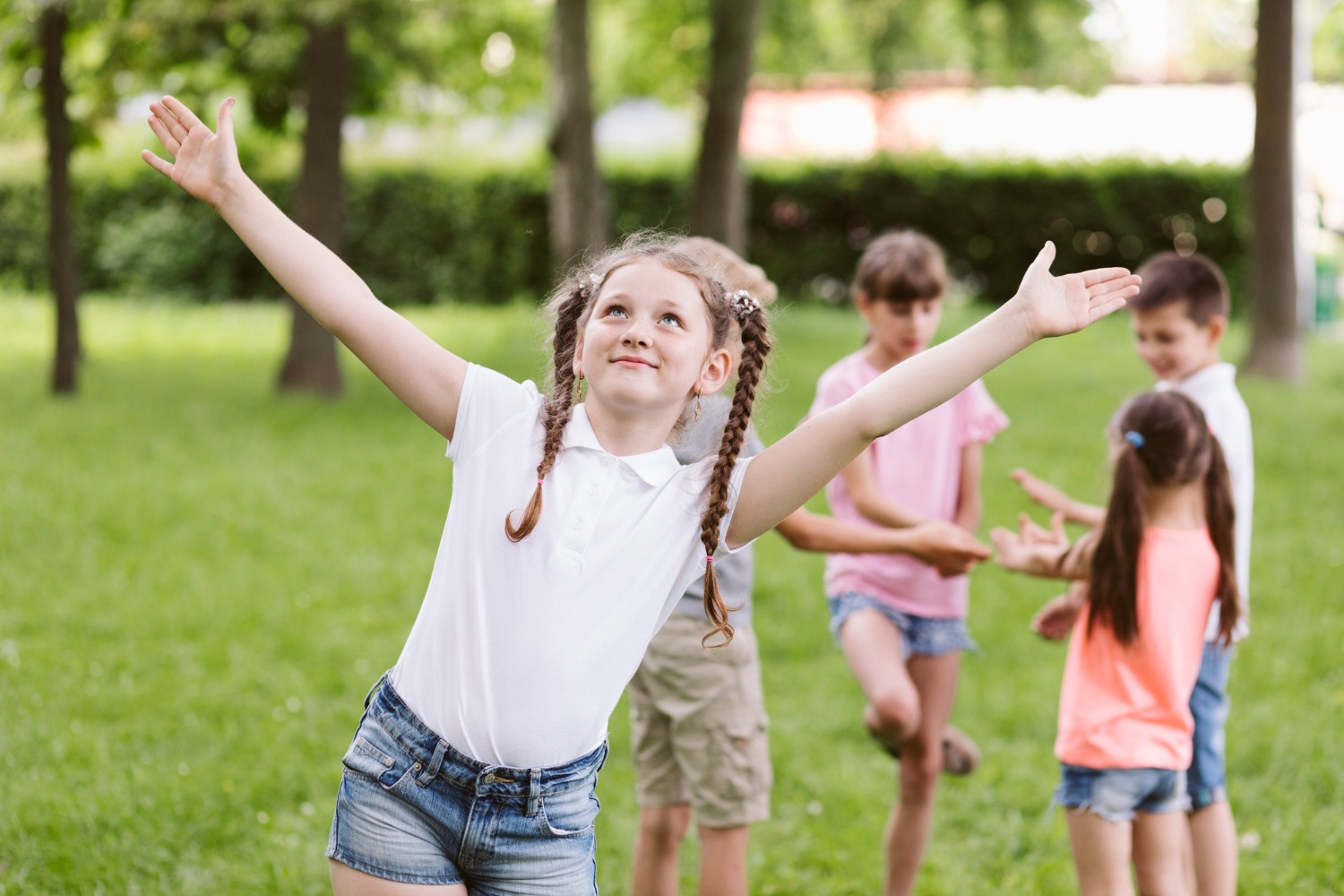
Sometimes it takes very little – stepping outside, picking up an interesting pebble, spotting an ant, or watching the wind rustle through the leaves. For children, these moments become small but meaningful discoveries. Even in the city, nature can be close by – in the yard, in a park, or on the grounds of the kindergarten. It is in these moments that a child’s first experiences of nature begin, as they explore, ask questions, and try to understand how the world works.
The outdoors – a place to release energy and find calm
Being outdoors helps children release energy and settle down. Movement in the fresh air allows them to let go of pent-up energy, reduces tension, and helps them feel better. After active play, children often become calmer and find it easier to concentrate.
In nature, children have more space to move – to run, jump, climb, or simply play freely. Natural movement helps children relax and become more aware of their bodies; it is also a natural way to support their emotional well-being.
Curiosity grows through exploration
In nature, everything is constantly changing – the seasons, the weather, the colours and forms of plants and animals. This constant change naturally encourages children to ask questions, observe, explore, and try to understand.
Learning about nature in preschool also happens naturally: children watch insects and birds, collect leaves, examine pebbles, and jump through puddles after the rain. By observing their surroundings, they learn to sustain attention for longer and to focus on what is happening here and now.
These kinds of real-life experiences often stay with children for a long time. They learn about the world not by listening, but by actively observing and experiencing it with all their senses.
Movement in nature strengthens the body
The outdoor environment naturally encourages movement: children run, climb, balance, and jump. Such activities strengthen muscles, improve coordination, and build endurance.
Moving on uneven surfaces, climbing, or scrambling helps develop both fine and gross motor skills. In addition, being in the fresh air supports breathing and strengthens overall physical resilience. As they move, children learn to navigate space – choosing directions, avoiding obstacles, and maintaining balance. This is why outdoor movement is not only enjoyable, but also essential for physical development.
Nature supports independence and responsibility
Outdoors, children often decide for themselves what to do and how to do it – whether to climb higher, jump over a puddle, or try again. In these situations, they gradually learn to assess their abilities, recognise what feels safe, and understand the consequences of their actions.
Through movement and experimentation, children become more aware of their bodies and learn to pause, wait, and make choices. Things do not always work on the first try – and that, too, is an important part of learning. These experiences naturally build independence, confidence, and the courage to try again.
Nature fosters attention and communication
Outdoors, children interact constantly. They share discoveries, talk about what they have noticed, create games together, and decide what to do next. In these situations, their vocabulary expands naturally, and their ability to listen and express themselves grows stronger. Shared activities also help develop patience and the ability to cooperate.
Nature – an important part of childhood
Even in the city, children can experience nature every day. Parks, squares, or a kindergarten yard can become places where they move, play, and explore the world. Even a short time outdoors can bring new impressions and unexpected discoveries.
These experiences nurture curiosity, creativity, and self-confidence. Over time, nature becomes a natural part of childhood – one that brings joy, a sense of wonder, and memories that stay for life.