Kinredgarten Saulės Gojus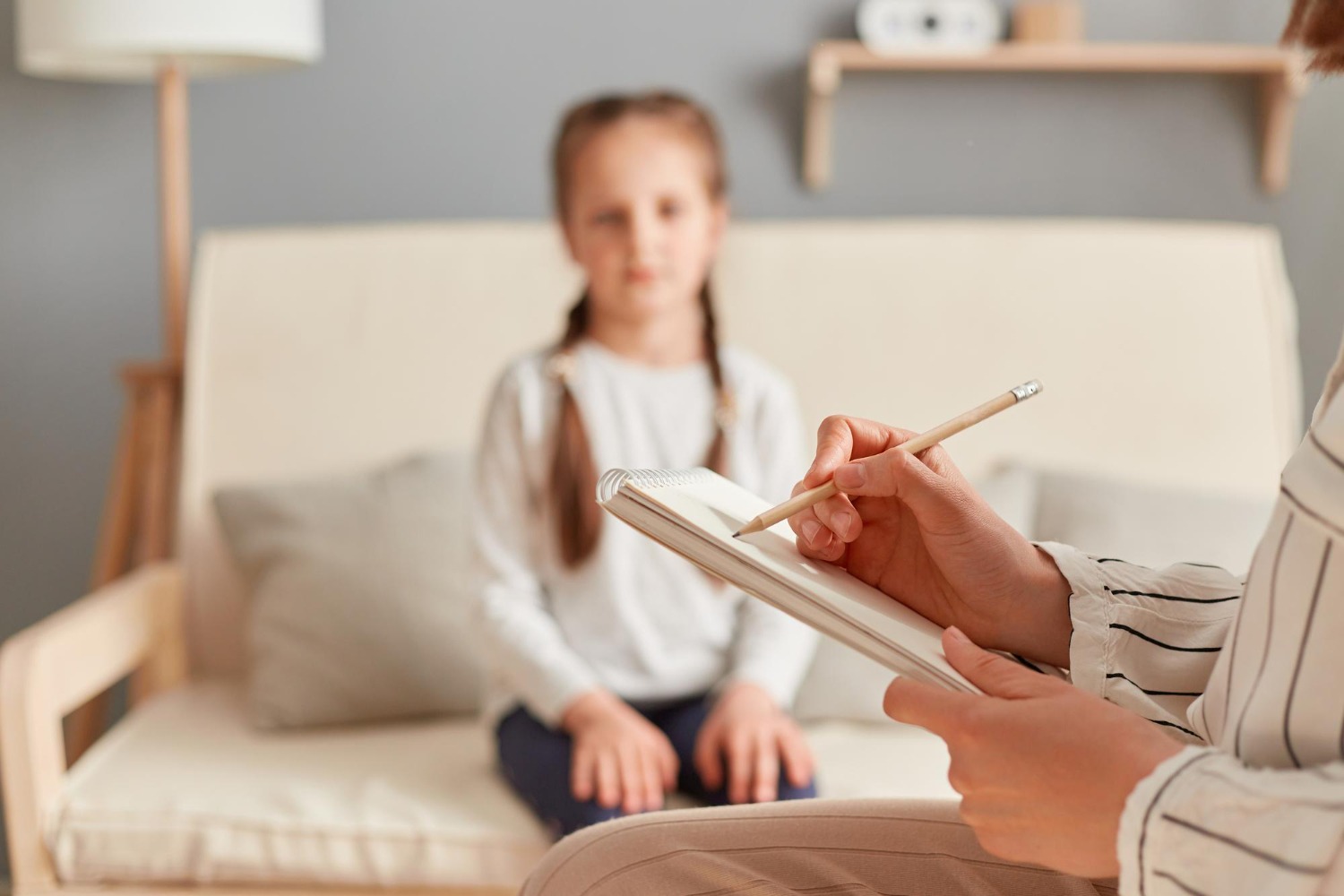
Some parents of preschoolers are troubled by a quiet, persistent question: Is what I’m seeing simply a natural part of my child’s development, or could it be a sign that things feel overwhelming for them right now?
One day, a child is laughing and curiously exploring the world; the next, something seemingly insignificant leads to tears, anger, or a meltdown that takes a long time to settle. In moments like these, the most important thing is not to rush to judge the child’s behaviour, but to calmly observe what they may be experiencing emotionally.
Frequent emotional ups and downs are natural during the preschool years. A three-year-old’s emotional world is often intense and changeable: strong feelings, sudden mood swings, vivid imagination, fears, or conflicts over toys, taking turns, or wanting to be first are all common at this age. Children are still learning to understand what is happening inside them – to recognise anger, disappointment, envy, or fear, and gradually learn how to cope with those feelings and calm themselves down.
Sometimes, however, these inner experiences become too overwhelming for a child to manage alone. In such cases, it is important not to focus on what is “wrong,” but instead to try to understand what the child’s behaviour may be communicating about their emotional state.
What is natural at preschool age?
Frequent mood swings are very common in young children. One moment a child is happily building a tower, and the next they burst into tears when it collapses. Such emotional fluctuations are a natural part of development.
At this age, children are only beginning to recognise and name their emotions. Often, feelings first appear through behaviour – a toy thrown across the room, a raised voice, or a sudden wish to withdraw. This does not necessarily mean that something is wrong; more often, it is a child’s first attempt to express and make sense of what they are feeling internally.
Preschoolers also tend to have very vivid imaginations. Fear of a “monster” in the room at night, reluctance to walk alone into another room, or stories about an imaginary friend are all a normal part of childhood at this stage.
When to take notice
At times, however, a child’s behaviour may signal more significant emotional or psychological difficulties.
If a child frequently experiences intense emotional outbursts, takes a very long time to calm down afterwards, or reacts to even minor disappointments with overwhelming distress, this may suggest that they are carrying more inner tension than they can currently manage.
Sometimes emotional difficulties appear differently. A child may become persistently sad or anxious, quieter than usual, lose interest in activities they once enjoyed, or seem emotionally withdrawn. Some children stop joining group play, isolate themselves from others, or avoid interaction altogether.
It is also important to pay attention if a child suddenly struggles to follow simple instructions, stops responding when spoken to, withdraws from their usual routines, starts having frequent nightmares, finds it difficult to fall asleep, or wakes repeatedly during the night.
In situations like these, a child psychologist can help. A psychologist not only assesses the situation professionally, but can also become a sensitive guide for the family, helping parents better understand what the child may be going through emotionally.
What most often affects a child’s emotional well-being?
Behavioural changes usually arise from very specific experiences in a child’s life.
For some children, adapting to preschool itself can be emotionally challenging – a new environment, unfamiliar people, and changes in daily routine can feel overwhelming. For others, the birth of a sibling, moving house, parental separation, or a loss within the family may be difficult experiences to process.
Conflicts with other children can also cause considerable emotional stress. Even situations that may appear insignificant to an adult can leave a deep emotional impact on a child. They may replay the experience in their mind repeatedly without fully understanding it themselves.
Fatigue also plays an important role in a child’s emotional stability. When daily life lacks rhythm, sleep is irregular, or there is not enough time for rest, children find it much harder to regulate their emotions and maintain a sense of inner balance.
How to help a child at home
Often, simple daily habits can make a meaningful difference.
First and foremost, children benefit greatly from a clear and predictable daily routine. When a child knows what will happen after breakfast, when they will go outside, or when it will be time to come home, they tend to feel calmer and more secure. Predictability acts as an invisible source of emotional safety.
Clear rules and boundaries are equally important. When expectations are understandable and consistent, children usually feel safer and more emotionally settled.
It is also important to talk openly about emotions. Sometimes it is enough simply to calmly name what is happening: “I can see that you’re upset. It’s okay to feel this way.” Such simple words help children gradually learn to recognise and describe their feelings, and over time better understand themselves.
Finally, nothing can replace a parent’s genuine, undivided attention. Even just 10-15 minutes a day without phones, distractions, or rushing – simply playing together, listening to the child’s stories, drawing, or building puzzles – can significantly strengthen a child’s sense of self-worth and emotional resilience.
When to consult a specialist
It is worth consulting a specialist if a child’s behaviour begins to differ noticeably from that of their peers and continues this way for more than several weeks. It is especially important to take notice if preschool teachers or the school psychologist also express concern.
In some cases, a psychological assessment may also be helpful. This is not about labelling a child, but rather about gaining a deeper understanding of their difficulties and identifying the kind of support that would help them most at this particular stage.
It is important not to dismiss these signs. Timely support can become an important emotional experience for a child — one that gradually nurtures self-confidence, a sense of security, and a deeper understanding of their own emotional world. Over time, this experience can become an important inner compass, helping the child better understand themselves, their needs, and their relationship with the world around them.