Kinredgarten Saulės Gojus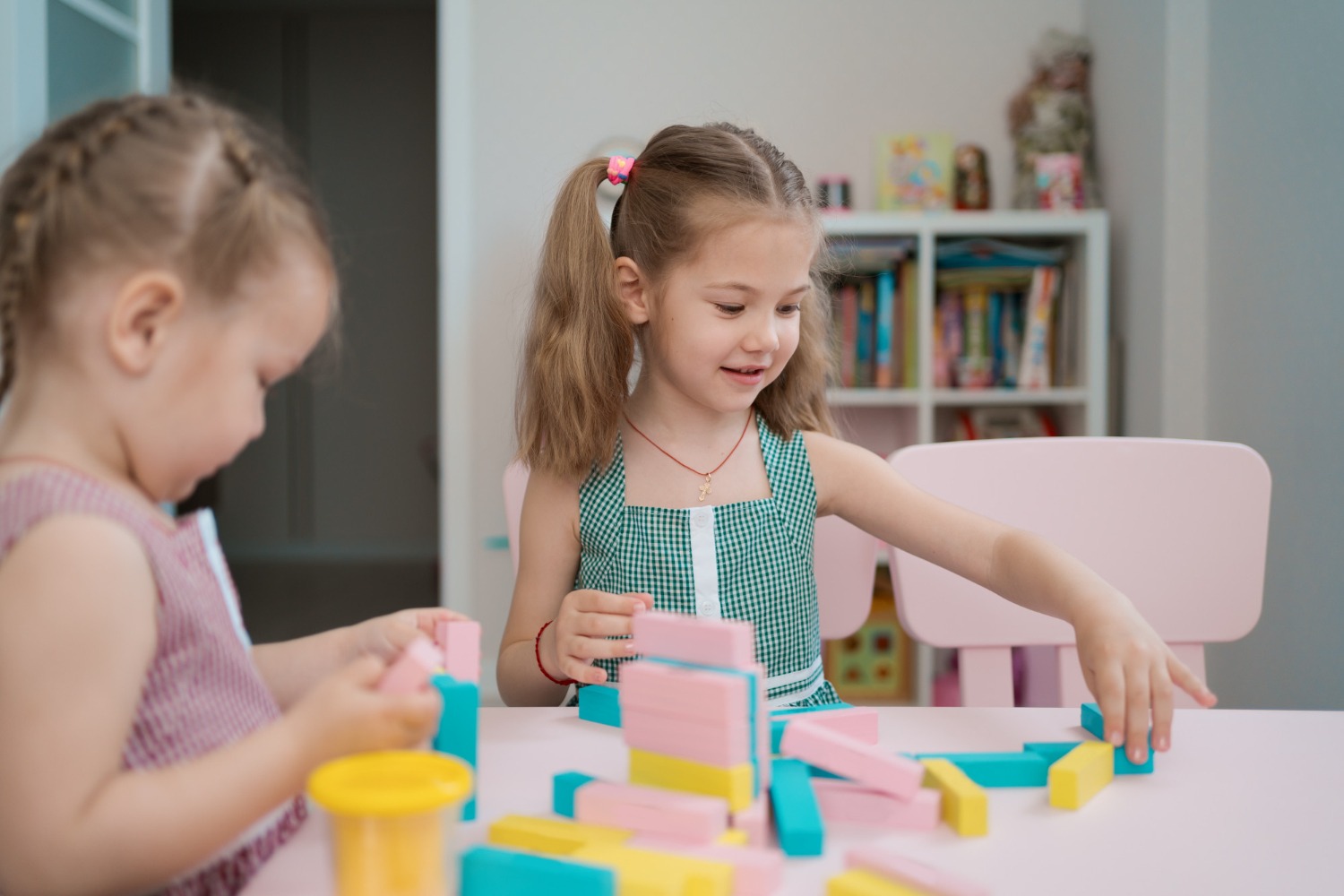
When we think about children’s learning, we often still picture a child sitting quietly, listening, repeating, or reciting. However, in the preschool years, the world is experienced in a very different way. Children learn when they move, experiment, make mistakes, laugh, repeat, and rediscover.
That is why, at Saulės Gojus kindergarten, learning through play is not just a method – it is a natural part of everyday life, allowing children to grow at their own pace, without pressure or stress.
For a child, play is serious work. It is their language, their way of understanding the world and their place in it. Through play, children do not simply pass the time; they think, make decisions, build relationships, and learn how to live in a community.
Play as a natural way of learning
In the preschool years, children perceive the world through experience. They learn not by listening to explanations, but by doing. For this reason, play in kindergarten becomes the primary way for children to explore their environment, themselves, and others.
During play, children actively engage rather than passively receive information. They make choices, create scenarios, negotiate with friends, and learn through direct experience. This is precisely why kindergarten play is far more meaningful than it may appear at first glance: it develops not only knowledge, but also the ability to think, plan, cope with challenges, and find solutions.
Is a child really learning if they are “just playing”?
It is natural for adults to sometimes wonder whether a child is truly learning while playing – especially when we compare our own childhood experiences with today or think about the demands of school in the future. However, in the preschool years, play and learning are one and the same.
Through play, children learn to concentrate, wait their turn, negotiate, solve problems, try different approaches, and make decisions. These are the very same skills that will later be needed for learning to read, write, and count. At Saulės Gojus, we believe that learning without stress – through experience and joy – creates a stronger foundation than rushing towards “results”. When a child learns through play, learning happens deeply: through personal experience rather than rigid rules.
What if a child doesn’t play like the others?
Not all children play in the same way – and that is perfectly natural. Some children join group games straight away, while others prefer to observe, play alongside others, or create their own quieter world. At Saulės Gojus kindergarten, a child’s way of playing is not evaluated or compared; it is accepted as an important part of their self-expression.
Teachers observe, document, and support each child in finding a form of engagement that feels right for them, without rushing or pressure. We believe that every child comes to play in their own time, and that respecting each child’s individual pace helps build confidence in themselves and in the world around them.
Movement that supports learning
Most children find it difficult to learn without movement – at this age, their bodies and minds work together. Active games in kindergarten allow children to release energy, strengthen coordination, and develop balance and motor skills. At the same time, movement helps children to concentrate, calm down, and later engage more easily in quieter activities.
At Saulės Gojus kindergarten, movement is a daily, natural, and varied part of children’s lives. Children move outdoors in all seasons, play active team games, balance, jump, and run. In this way, play in kindergarten becomes not only a form of physical activity, but also a process of self-discovery.
Play as a space for language and communication
While playing, children are constantly communicating. They explain rules, negotiate, tell stories, argue, and reach agreements. This is a natural and highly effective way to develop language skills. Educational play supports not only vocabulary development, but also the ability to express ideas, listen to others, and respond appropriately to different situations.
Role-play, storytelling, and acting out everyday situations allow children to explore different social roles, understand the feelings of others, and develop empathy. Such activities in kindergarten may seem completely ordinary, but they help children build essential life skills.
Play and children’s emotional world
Play is a safe space for emotions. Through play, children can express feelings they are not yet able to put into words. They experience joy, disappointment, excitement, and success, and learn how to live with and manage these emotions. For this reason, learning through play is extremely important for a child’s emotional development.
At Saulės Gojus kindergarten, play is not controlled or deliberately directed. Teachers observe, document, and reflect, but do not interfere with the play itself. This helps children feel safe, free, and accepted, and such emotional security allows them to confidently try, make mistakes, and learn.
Different games – different experiences
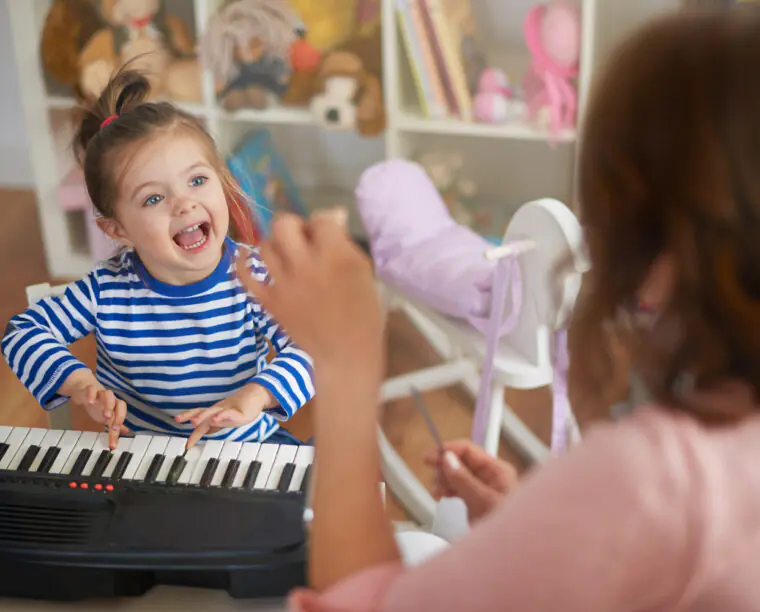
The world of play in kindergarten is rich and varied. One day, children may be engaged in creative play or construction activities; the next, in role play or sensory exploration. Rhythmic games help children develop a sense of tempo and rhythm, while also strengthening listening skills and coordination. Music, movement, and sound come together in a single experience that children experience very naturally.
Themed play also appears at different times of the year. For example, during the festive season, children take part in Christmas-themed activities that help them feel a sense of anticipation and togetherness, create symbolic stories, and share in the spirit of Christmas with others.
The role of the teacher in play
An important part of learning through play is the teacher’s approach. At Saulės Gojus Kindergarten, teachers create an environment in which play can arise naturally. They observe children closely, noticing their interests, strengths, and areas of sensitivity. Educational goals are woven into play subtly, without direct instruction or pressure.
Children are encouraged to be the authors of their own play. They lead the process themselves, while adults take on the role of supportive observers. This approach strengthens children’s self-confidence and fosters independence.
Play as preparation for life
Through play, children prepare not only for school, but for life as well. They learn to solve problems, cooperate with others, wait their turn, negotiate, and take joy in achieving results. Everyday play experiences in kindergarten allow children to experience success and to understand that effort leads to positive outcomes.
At Saulės Gojus Kindergarten, we believe that children learn best when they feel good. When learning is connected with joy, movement, and lived experience, it becomes natural and meaningful. That is why play is not a break from learning for us. Play is learning – alive, authentic, and growing together with the child.